


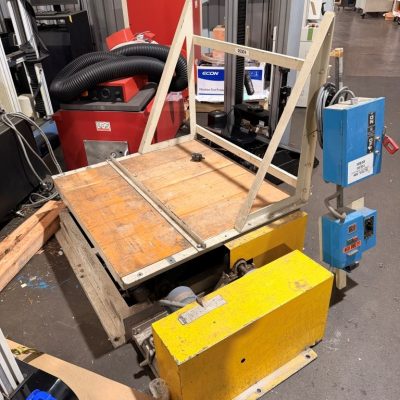
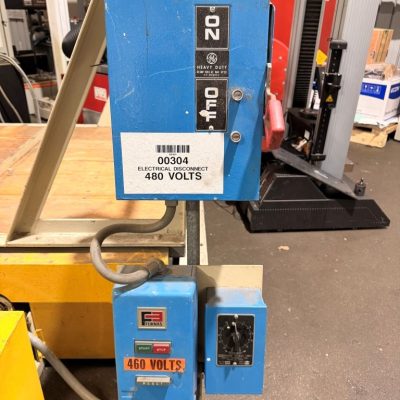


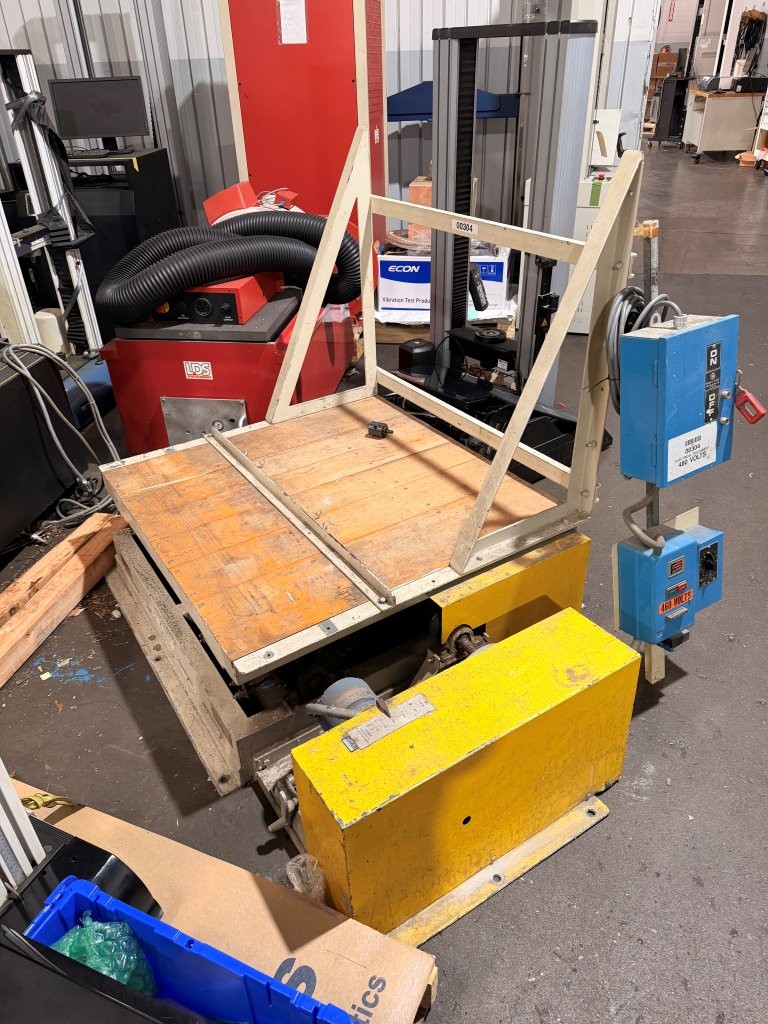
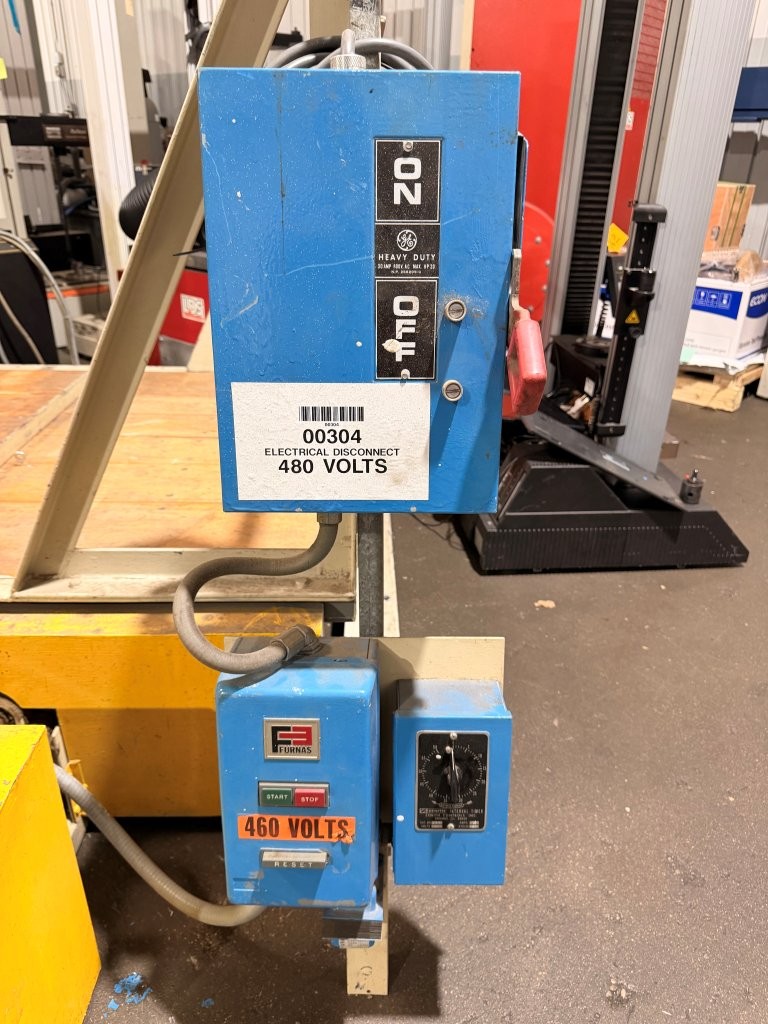
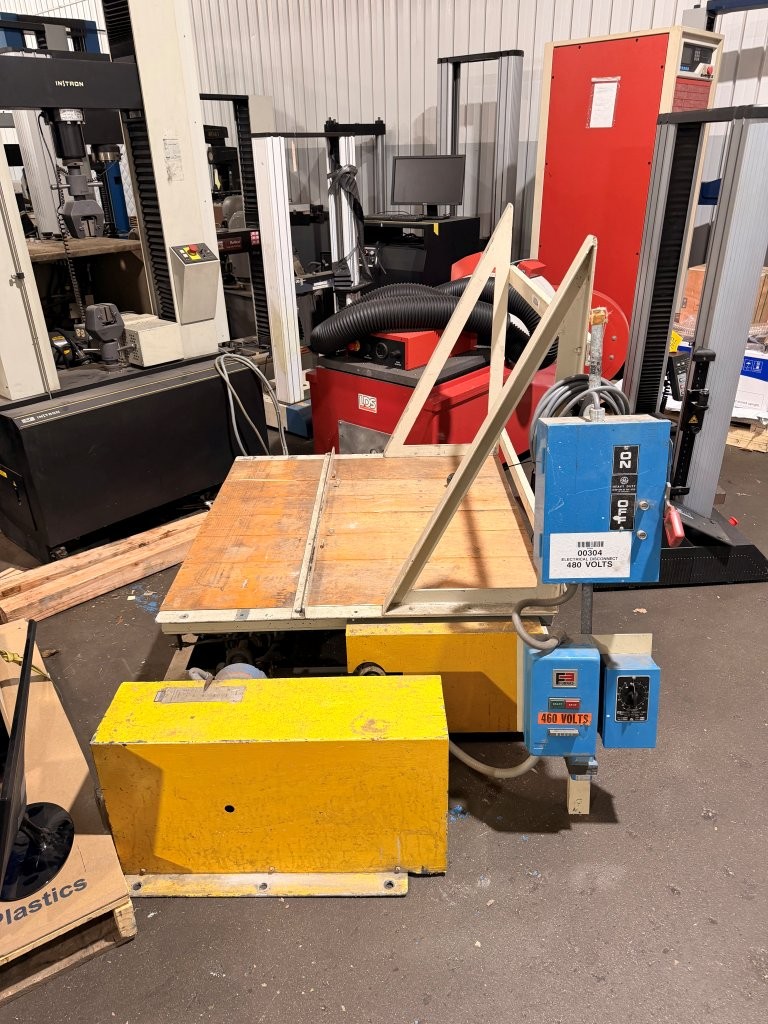
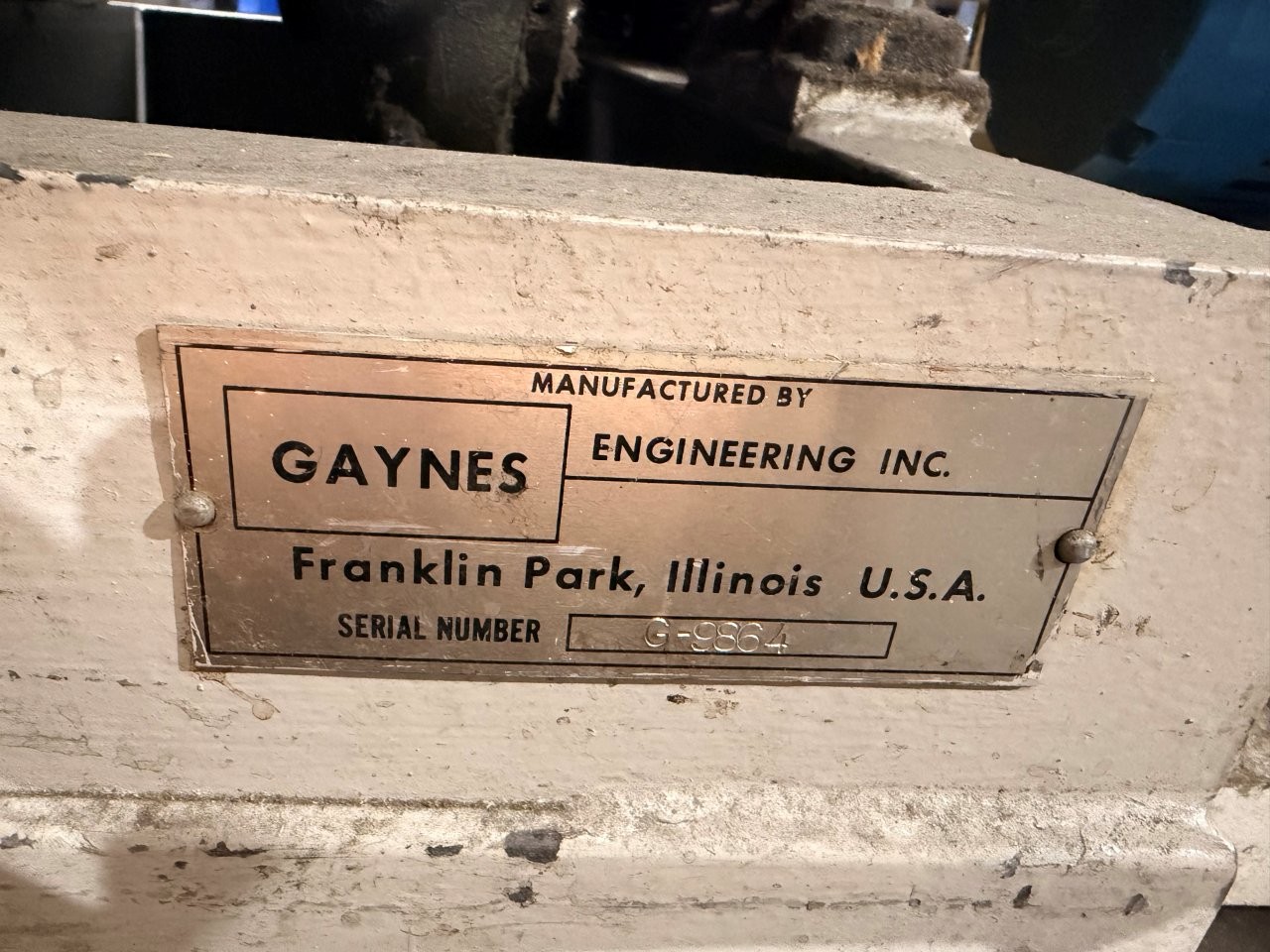
Gaynes Engineering Mechanical Vibration Table (42" x 42" Table)
Gaynes Engineering Mechanical Vibration Table (42" x 42" Table)
Information
The Gaynes Engineering Mechanical Vibration System (often associated historically with industrial testing equipment distributors and catalogs like Testing Machines Inc. / TMI) is a heavy-duty, legacy package-testing system designed to simulate the physical rigors of a product's distribution cycle. Primarily configured as a mechanical rotary / oscillatory table, these units are built to execute standardized transit simulation protocols to ensure freight and packaging survive over-the-road transport
Gaynes systems are defined by mechanical simplicity and high durability
- Vibration Profile: Circular synchronous or out-of-phase rotary motion, often referred to in the industry as "monkey type" or elliptical vibration.
- Amplitude: Typically fixed at a 1-inch (25.4 mm) peak-to-peak displacement.
- Frequency Range: Operates at low frequencies, generally ranging between 2 Hz to 5 Hz (roughly 120 to 300 Cycles Per Minute / CPM).
- Load Capacity: Depending on the model, systems range from benchtop sizes to immense platform tables capable of supporting 1,000 lbs to over 4,000 lbs of stacked freight.
- Drive System: Heavy-duty DC motors utilizing eccentric cams and synchronized belt transmissions to generate steady movement without requiring deeply anchored floor foundations.
Key Transportation Simulation Standards
This specific style of mechanical shaker is engineered to meet specific global distribution testing standards, primarily focusing on loose-load (repetitive shock) environments:
- ASTM D999 (Standard Test Methods for Vibration Testing of Shipping Containers): Specifically references mechanical rotary motion to evaluate container stability and component fatigue.
- ASTM D4169 (Schedule A & F): Used for distribution cycle simulations to evaluate vehicle vibration and stacked loose-load transit conditions.
- ISTA 1A & 1B: International Safe Transit Association protocols for basic integrity testing of packaged products under repetitive shock.
- DOT / UN HazMat Testing (e.g., HM-181): Crucial for verifying that hazardous material containers will not leak or structurally fail during typical 60-minute transportation vibrations.
FOB Warren, MI
30 Day Satisfaction Guarantee Return Privilege
Click for quote | #GAYNES Vibration